Why choose ID? This article highlights perspectives from incoming infectious diseases pharmacy residents, exploring what inspired them to pursue the field—ranging from intellectual curiosity and clinical impact to a passion for antimicrobial stewardship and patient care. It also shares their advice for future trainees, emphasizing perseverance, mentorship, and staying open to opportunities along the journey.
Article Last Edited 23 March 2026
Are you an ID PGY2 resident who wants to be included in this webpage?
DM @IDstewardship on Instagram.
Match Day for Phase 1 of the 2026–2028 pharmacy residency cycle took place on Wednesday, March 18, 2026—marking the arrival of a new cohort of pharmacists preparing to begin infectious diseases (ID) training.
According to data from ASHP, there are 142 ID residency programs, of which 86 (61%) participated in Phase 1 of the Match (the remaining 56 programs filled their positions early).
Across all programs, 156 total positions were available. Of these, 65 positions (42%) were filled prior to the Match, leaving 91 positions to be filled during Phase 1. Post-Match data show that 72 of those 91 positions were filled, while 18 remained listed as unfilled (assuming 1 positions dropped out there b/c the math is off).
Overall, 138 of the 156 positions (88%) have now been filled, leaving 18 open positions that will likely move into Phase 2 of the Match.
If you know of anyone going to phase 2, we have these articles that you might share with them:
- Top 10 Tips For Pharmacy Residency Match Phase 2
- Preparing For Phase 2 Of The Pharmacy Residency Match
As a fun way to welcome the newest group of ID enthusiasts to what I’d argue is the best specialty out there, I thought it would be great to highlight a few of them and ask some questions. It’s always fascinating to hear what draws people to infectious diseases—and just as valuable to learn what advice these incoming residents have for those hoping to follow in their footsteps.
Through referrals from friends and a call for participation on social media, I had the chance to connect with some truly incredible individuals featured in this post. I hope you find their perspectives insightful—and that it brings a smile to your face.
Here are some of our future ID pharmily members…
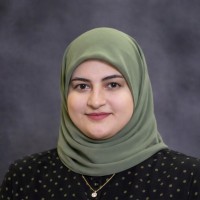
Inas Mahdi, Pharm.D.
1. Where are you headed for your ID PGY2 residency?
University of Florida Health, Jacksonville
2. Why did you choose ID?
I chose Infectious Diseases because I love how dynamic and constantly evolving the field is. No two cases are ever the same and I really enjoy working through complex patients and figuring out what is actually going on. I also like how much detective work is involved in ID, whether it is interpreting cultures, understanding resistance patterns, or narrowing therapy in a thoughtful way. Antimicrobial stewardship is another big reason I was drawn to ID. Being able to optimize therapy while also thinking about the bigger picture and resistance trends makes the work feel very meaningful.
3. What advice do you have for future pharmacists considering an ID PGY2?
For future pharmacists considering an ID PGY-2, I would recommend getting as much exposure as possible early on through rotations, research, or stewardship activities. Building a strong foundation in microbiology and pharmacotherapy is important, but what really helps is developing your clinical reasoning and confidence in making recommendations. Ask questions, stay curious, and do not be afraid of difficult cases. That is where you grow the most.
Hilmi Mansour, Pharm.D.

1. Where are you headed for your ID PGY2 residency?
New York University (NYU) Langone, Long Island
2. Why did you choose ID?
I chose infectious diseases because the complexity of care has always intrigued me. I enjoy approaching each case like a detective analyzing cultures, symptoms, laboratory data, and clinical context to piece together the full picture. I’ve often said that if I weren’t a pharmacist, I’d want to be a forensic scientist or detective, and ID allows me to fulfill that same curiosity within my profession.
Beyond that, I value the significant role pharmacists play in ID. There are always opportunities to optimize therapy, improve antimicrobial stewardship, and make a meaningful impact on patient outcomes. I strongly believe in leaving things better than I found them, and ID consistently provides that opportunity.
3. What advice do you have for future pharmacists considering an ID PGY2?
A mentor once told me that infectious diseases is everyone’s favorite specialty; they just may not know it yet. With that in mind, I strongly encourage students to pursue a rotation in ID if possible. Exposure is key to understanding how rewarding the field can be.
Additionally, don’t be afraid to ask for opportunities. Some of the most valuable experiences I’ve had came simply from reaching out and expressing interest.
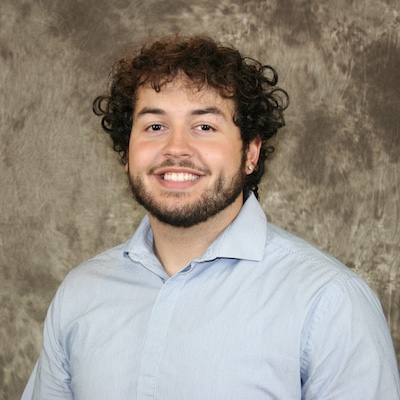
James Dycus, Pharm.D.
1. Where are you headed for your ID PGY2 residency?
Eskenazi Health in Indianapolis Indiana
2. Why did you choose ID?
What’s not to love about ID? Personally, I’ve always felt drawn to microbiology and infectious diseases, especially after my grandmother passed away from an NTM infection. That experience pushed me to ask more questions throughout microbiology and pharmacy school, and I often found myself researching outside of class simply because I wanted to understand more. Once I began exploring the clinical side of ID, everything just clicked. I loved the uncertainty and the idea of “living in the grey,” where you have to consider multiple patient‑specific factors and no two patients are the same. It often feels like solving a giant jigsaw puzzle by matching the right drug to the right bug for the right patient. Finally, it’s incredibly rewarding to know that the antibiotics we choose save lives, and it’s also our responsibility to protect their effectiveness by using them appropriately.
3. What advice do you have for future pharmacists considering an ID PGY2?
If you’re considering an ID PGY2, my best advice is to just jump in and seek opportunities to get experience in ID. In practice, you learn so much more about ID than you ever could in the classroom, you start to grow comfortable with the uncertainty, and you get to use your puzzle‑solving skills to piece together the best antibiotic plan for each patient. Additionally, I would recommend immersing yourself in the ID community, whether that’s exploring professional organizations like SIDP or IDSA, building relationships with current ID pharmacists, or listening to ID‑focused podcasts (like Breakpoints by SIDP). Once you catch yourself nerding out over susceptibilities, hunting for stewardship opportunities, or questioning everything we do in ID, that’s a pretty good sign you might be meant for an ID PGY2.
Immanuel Tjahjadi, Pharm.D.
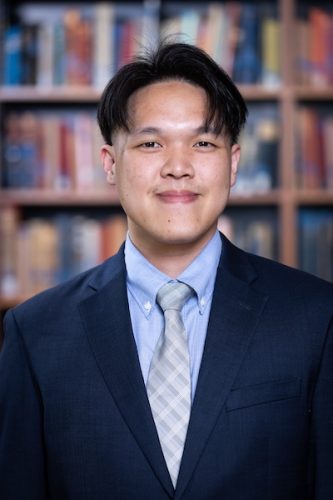
1. Where are you headed for your ID PGY2 residency?
University of California San Francisco (USCF) Medical Center
2. Why did you choose ID?
My interest in ID started with microbiology, but it really grew from seeing how pharmacists can directly impact both diagnosis and antimicrobial selection. I like the challenge of figuring out what’s going on clinically and helping guide the right therapy. What stands out to me most is how rewarding the field can be—patients can come in really sick, and with the right antibiotics, you can see meaningful improvement in a short amount of time.
3. What advice do you have for future pharmacists considering an ID PGY2?
For anyone interested in PGY2 ID, stay curious and keep learning. It’s a constantly evolving field, and there’s always something new to read or think about, whether it’s new agents or interesting combination strategies. At the same time, don’t lose sight of the basics—common infections like CAP, UTIs, and SSTIs come up all the time, and being solid in those areas makes a big difference in practice.
Nathan Webb Johns, Pharm.D.
1. Where are you headed for your ID PGY2 residency?
Jackson Memorial Hospital in Miami, Florida
2. Why did you choose ID?
Infectious diseases is the first specialty I really gravitated to during pharmacy school. I liked learning about microbiology and the mechanisms behind why our antimicrobials work like they do, but when I got to experience ID in rotations I found what I want to do as a pharmacist. I’ve found in clinical practice, ID offers many different opportunities for interprofessional collaboration and lets the pharmacist shine by using our expertise in navigating therapeutic drug monitoring, drug-drug and drug-disease state interactions, and interpreting microculture data. It’s a field where there are new technologies and antimicrobials coming out while also being one of humanity’s oldest problems.
I take pride in being able to make good ID recommendations and see patients quickly improve, and it has been a really rewarding field to be a part of in my early pharmacy career!
3. What advice do you have for future pharmacists considering an ID PGY2?
Get involved early and learn as much as you can! There’s a plethora of resources online to learn the basics. Take the knowledge and find opportunities to apply it through rotations or projects. Ask lots of questions, be curious, and don’t be afraid of sharing your interest in ID with others!
If you are at a practice site, learn about who runs your antimicrobial stewardship committee and what antimicrobials are being used at your site. Explore how and why they are being used the way they are.
Everyone in their practice runs into ID problems, so you can differentiate yourself by really focusing on why and how things work like they do. Seek out shadowing opportunities in the microlab or with infection control and sit in on an ASP meeting if you can. Form opinions, ask questions, and search for answers. ID is a field where there are things that are done because that’s how they’ve always been done, and you can be the one who moves our practices forward!
Garrett Shepard, Pharm.D.
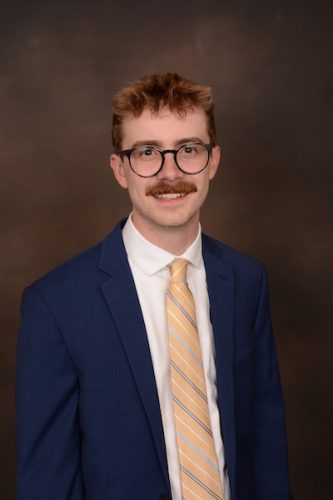
1. Where are you headed for your ID PGY2 residency?
University of Michigan, to complete a 2-year Infectious Diseases Clinical and Translational Research Fellowship
2. Why did you choose ID?
I chose ID because no two patients are ever the same. Each case feels like assembling a complex puzzle, integrating clinical presentation, microbiology, pharmacology, and patient-specific factors to arrive at the best therapeutic approach. That process is both intellectually challenging and deeply fulfilling. In many ways, practicing in ID feels like a constant chess match against evolving pathogens, requiring anticipation, adaptability, and lifelong learning. It’s a field that keeps you humble, curious, and engaged every single day.
3. What advice do you have for future pharmacists considering an ID PGY2?
If you are considering a career in ID, I strongly encourage you to pursue an ID rotation, ideally both as a student and during residency. Use those experiences to reflect on what truly excites you. Ask yourself: Which specialty made me want to dig deeper, read more, and understand the “why” behind every decision? If you find yourself “nerding out” over antibiograms, culture data, and antimicrobial stewardship strategies, then ID may be the right fit for you. Additionally, be proactive and seek out mentors in ID, stay curious, and don’t be intimidated by the complexity of the field. The learning curve is steep, but that’s part of what makes it so rewarding.
Maricela M. Moreno Martinez, Pharm.D.
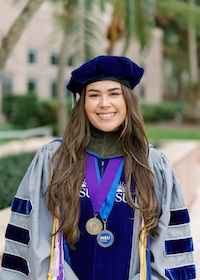
1. Where are you headed for your ID PGY2 residency?
Baptist Health South Florida Corporate Pharmacy Enterprise ID PGY2
2. Why did you choose ID?
Aside from ID being the best specialty, I was drawn to the ability to truly cure patients. There’s something rewarding about treating an infection and seeing a patient recover and go home well. I also love the complexity of ID; it’s like solving a puzzle. You have to piece together clinical data, microbiology, and pharmacology to find the right answer.
On a more personal note, growing up in a Hispanic household, antibiotics were sometimes (always) treated like a cure-all. Being able to now educate my family and my patients on appropriate use and why stewardship matters is really meaningful (and occasionally a battle at home). It’s a great reminder of how impactful our role can be beyond the hospital setting.
3. What advice do you have for future pharmacists considering an ID PGY2?
Do it! Practice is completely different from the classroom, in the best way. It’s more dynamic, more engaging, and honestly a lot more fun. You’re constantly learning, being challenged, and growing every day. You’ll also meet and work with people from all backgrounds and experiences, which makes the field even more rewarding.
BONUS: Mohamad Khalil, M.D.
We thought it might be fun to have some ID MD wisdom in the mix, Dr. Khalil was kind enough to jump in!

1. Where are you doing your ID training?
I am affiliated to Gomel State Medical University. My rotations are mostly in the Gomel Regional Clinical Infectious Hospital. I chose ID because it’s a multi-system specialty that allows for continuous study of the ever developing science in a specialized field. Also, because every patient is a new puzzle and because we can see in real time how our patients get better.
2. Why did you choose ID?
My brother used to tease me since childhood that I have a diploma in “useless trivia information.” Going into ID gave me an opportunity to put my knowledge into use.
The pandemic showed that multidisciplinary doctors like ID specialists are needed more than ever in a world steering towards hyper-specialized healthcare workers.
Nothing beats the feeling of seeing a kid that is running and playing around after getting rehydrated, as he was exhausted and irritated from diarrhea when admitted.
3. What advice do you have for future pharmacists considering an ID PGY2?
Becoming an ID clinician gives you unique skillsets. Your interest and curiosity will keeps you going. It will be important to never lose that and to always be proud of your important work.
Your contributions may be underrated, but waiting for recognition is not always going to be worth your time. Even if you feel as if you are an invisible soldier, you will know that the effect you have on your patients will help you sleep sound each night.
Disclaimer: All respondents voluntarily participated in this activity. The views and opinions expressed in this article represent the individual and does not necessarily reflect the policy or position of any past, present, or potential future employer. ChatGPT was used for content drafting and clarity enhancements.
RECOMMENDED TO YOU